Blog / Lease vs. Finance

Understanding Ford Credit: Lease vs. Finance on Your Next Ford in Terrell, TX

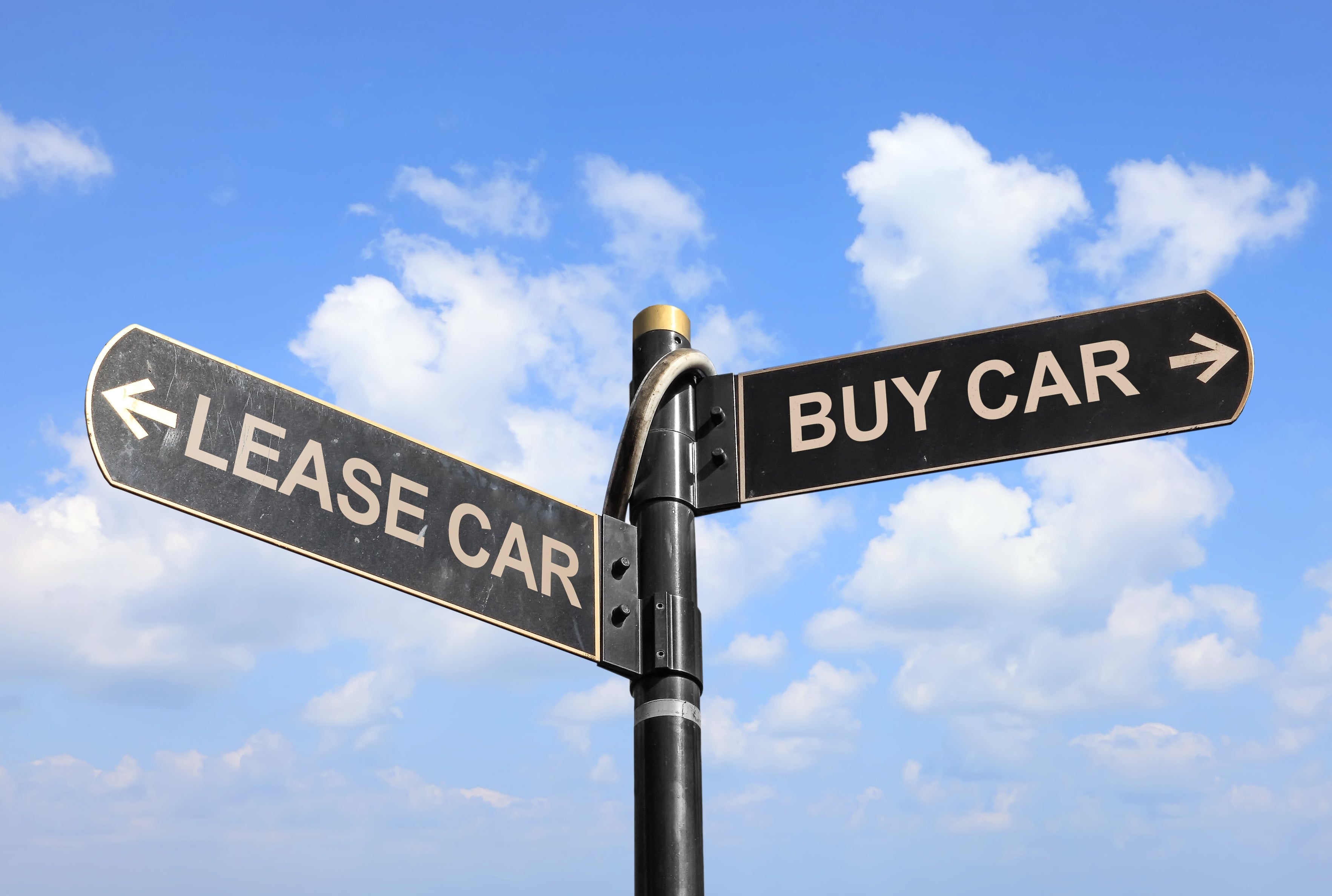
Road sign with "Buy Car" and "Lease Car" directions against a blue sky with clouds.

So, you’ve decided to buy a new ford. Congratulations, you’ve made a great decision.

Now, you need to figure out how you’re going to pay for it. Are you going to finance it or lease it?

Understanding Ford Credit and the difference between leasing and financing will help you choose the option that best fits your budget, lifestyle, and long-term goals. No matter if you’re eyeing a capable F-150 or a versatile Ford SUV, knowing your options before you shop makes the whole process a lot smoother.

What Is Ford Credit?

Ford Credit is Ford's in-house financing arm, and it offers both lease and finance programs designed to give customers flexible ways to get into a new vehicle. Through Ford Credit, you can work with your dealership to structure a payment plan that fits your needs without having to go through a third-party lender. Understanding Ford Credit programs is a great starting point before you commit to anything, especially since terms and available offers can vary based on your location and credit profile.

How Ford Financing Works

When you finance a Ford, you are taking out a loan to purchase the vehicle outright. You make monthly payments over a set term, and once the loan is paid off, you own the vehicle free and clear. This option typically makes sense if you plan to keep your vehicle for several years, want to customize it, or prefer not to worry about mileage limits. Financing often results in a higher monthly payment compared to leasing, but you are building equity in a car you will own.

Ford Credit financing can be applied to most new Ford vehicles, and your dealership can walk you through current rate options and available terms. Drivers who put a lot of miles on their vehicles each year tend to find financing to be the more practical choice over time.

How Ford Leasing Works

Leasing through Ford Credit works differently. Instead of purchasing the vehicle, you are essentially paying for the use of it over a set period, typically two to three years. At the end of the lease, you return the vehicle and can choose to lease or buy a new one. Lease payments are generally lower than finance payments because you are only covering the vehicle's depreciation during the lease term, not its full value.

Leasing is often a good fit for drivers who enjoy having the latest technology and features and prefer switching to a newer model every few years. Keep in mind that leases come with mileage limits and guidelines around wear and use, so it is important to understand those terms before signing to prevent any surprises at the end of your term.

Lease vs. Finance: Which Is Right for You?

Choosing between leasing and financing really comes down to your personal priorities. If ownership, flexibility, and long-term value are important to you, financing is likely the better route. If you prefer lower monthly payments, love driving the newest models, and do not exceed average mileage, leasing may be the smarter move.

Ford Credit makes it easy to explore both options through tools like the Build and Price feature on ford.com, where you can personalize a vehicle and get a sense of what fits your budget. You can also pre-qualify online to understand your budget before visiting the lot, with zero impact to your credit score.

Visit Platinum Ford in Terrell, TX

No matter which direction you lean, the team at Platinum Ford is ready to help you explore your options and find a payment plan that works for you. Understanding Ford Credit is just the first step - getting into the right vehicle is the goal. Stop by Platinum Ford or visit us online at platinumford.com to browse current inventory, explore available offers, and take the next step toward your new Ford.
Posted in:

Related Posts

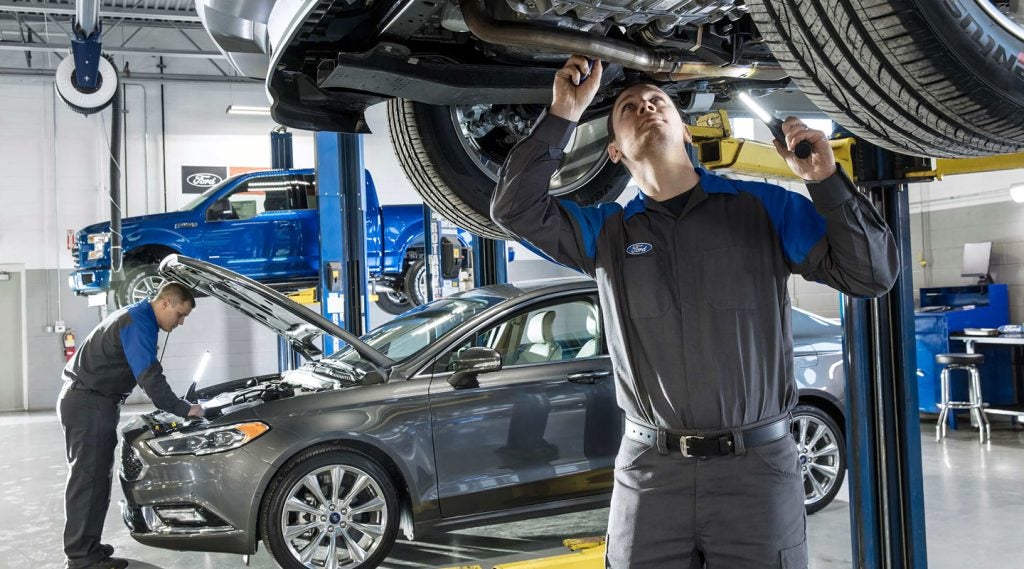
Automotive technicians inspecting and servicing vehicles inside a Ford service center.

Ford Maintenance Schedule Explained: What Happens at 30k, 60k, and 100k Miles?

Keeping up with your Ford's maintenance schedule is one of the simplest ways to protect your investment and avoid costly repairs down the road. Whether you're driving a new F-150 or a well-loved Expedition around Terrell, Texas, understanding what service your vehicle needs - and when - makes a real difference in how long it lasts and how well it performs. What Is a Ford Maintenance Schedule? A Ford maintenance schedule is a recommended timeline of service intervals based on mileage. Ford engineers these intervals to keep your vehicle running safely and efficiently from the day you drive it off the lot. Following the schedule helps you stay ahead of wear and tear before small issues turn into bigger problems. Each milestone covers a different set of services. Some are simple and routine, while others involve more comprehensive inspections and part replacements. Knowing what to expect at each stage helps you plan ahead and budget accordingly. What Happens at 30,000 Miles? The 30,000-mile mark is an important early checkpoint in the Ford maintenance schedule. At this stage, you can generally expect a thorough inspection of key systems and some replacements depending on how and where you drive. Common services at 30,000 miles include engine air filter replacement, fuel filter inspection, tire rotation, brake inspection, and a check of all fluid levels including coolant, transmission fluid, and brake fluid. If you haven't replaced your cabin air filter recently, this is also a good time to take care of it. For drivers in Terrell, TX, who deal with dusty roads and warm temperatures, staying on top of these items is especially worthwhile. What Happens at 60,000 Miles? The 60,000-mile service is often considered a mid-life checkup for your Ford. At this point, several components have experienced significant use and may be approaching the end of their recommended service life. At this interval, you should expect a spark plug replacement, which can have a noticeable impact on engine performance and fuel efficiency. Brake pads may need to be replaced depending on wear, and brake fluid should be inspected or changed. Your technician will also check the serpentine belt, coolant system, and transmission fluid. It is a good idea to review your tire tread depth and alignment as well. Following the Ford maintenance schedule at this stage helps ensure your vehicle stays reliable well beyond the 100,000-mile mark. What Happens at 100,000 Miles? Reaching 100,000 miles is a milestone worth celebrating - and servicing properly. At this point in the Ford maintenance schedule, a more comprehensive review of your vehicle's major systems is recommended. Coolant replacement is often due at this interval, along with a fresh look at spark plugs if not already addressed. Your technician should inspect the timing chain or belt, check for any signs of oil leaks, and evaluate the condition of hoses, belts, and suspension components. Transmission service may also be recommended depending on your driving habits and fluid condition. Taking care of these items helps keep your Ford performing the way it was designed to. Why Staying on Schedule is Important Consistent maintenance does more than prevent breakdowns. It preserves your vehicle's resale value, helps identify potential issues early, and keeps your Ford running with the efficiency and reliability it was built to deliver. Ford Mobile Service and Ford Pickup and Delivery options make it easier than ever to stay on top of your schedule without disrupting your day. Visit Platinum Ford in Terrell, TX So, if you're approaching 30,000 miles or well past 100,000, sticking to the Ford maintenance schedule is one of the best things you can do for your vehicle. The team at Platinum Ford in Terrell, TX, is ready to help you stay on track. Schedule your next service appointment and drive with confidence knowing your Ford is being taken care of the right way.

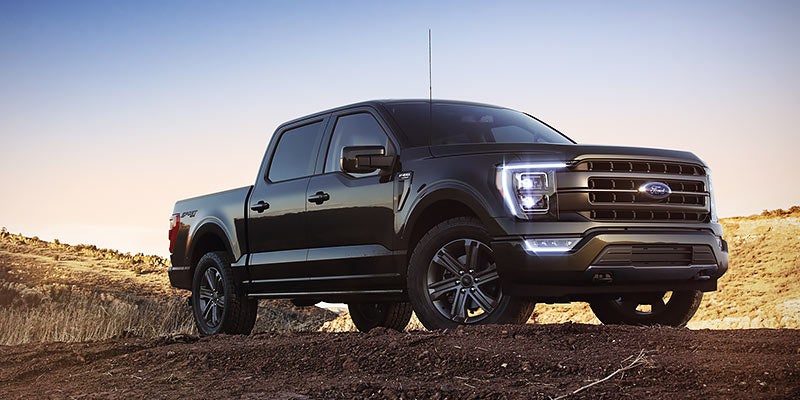
Black Ford F-150 pickup truck parked on rugged terrain with headlights on and a scenic outdoor landscape background.

Used Truck Buying Checklist: What to Look for on a Pre-Owned F-150 or Super Duty

Buying a used truck is a big decision and knowing what to look for can save you time, money, and a lot of headaches down the road. So, if you're eyeing a pre-owned F-150 or a Super Duty, this used truck buying checklist will help you decide. Drivers in Terrell, TX have access to a strong selection of pre-owned Ford trucks, and going in prepared makes all the difference. Check the Exterior and Frame First Start your used truck buying checklist by checking the entire exterior before you open a door. Look for uneven panel gaps, mismatched paint, or bubbling near the wheel wells, which can indicate previous body repairs or rust issues. Pay close attention to the frame rails underneath the truck. On a Super Duty especially, the frame carries serious loads, so any cracks, heavy rust, or welded patches are red flags. Inspect the Powertrain and Drivetrain Pop the hood and look at the engine bay for signs of oil leaks, cracked hoses, or corrosion on the battery terminals. For the F-150, check the condition of the engine and listen for any unusual knocking or ticking when you start it up. On a Super Duty, pay attention to the diesel engine if equipped - check for excessive smoke at startup and confirm fluid levels are normal. Test all four-wheel drive modes if applicable and listen for grinding or hesitation when shifting. Review Service History and Vehicle Reports A thorough used truck buying checklist always includes paperwork. Ask for the vehicle history report and any available service records. A well-documented maintenance history tells you a lot about how the previous owner cared for the truck. Look for consistent oil changes, transmission service, and any major repairs. Gaps in the service history aren't always a dealbreaker, but they do warrant extra scrutiny during your inspection. Test the Technology and Interior Features Climb inside and test everything. Make sure the touchscreen responds properly, that the air conditioning blows cold, and that all power accessories work as expected. On newer F-150 and Super Duty trims, features like Ford Co-Pilot360 ® technology may be equipped, so verify that cameras and driver-assist systems are functioning. Check the condition of the seats, headliner, and door panels for excessive wear. A truck that shows heavy interior wear may have been used commercially, which affects long-term reliability expectations. Take It for a Real Test Drive You should never buy a used truck without taking it on a solid test drive. Drive it on the highway, not just around a parking lot. Accelerate hard, brake firmly, and make tight turns. Listen for pulling, vibrating, or unusual sounds from the brakes or suspension. On a Super Duty, if it was previously used for towing, pay attention to how the transmission shifts and whether the truck tracks straight. Bring it to an independent mechanic for a pre-purchase inspection if you want a second opinion. Find Your Next Used Truck at Platinum Ford A used F-150 or Super Duty can be an outstanding investment when you know what to look for. Following a solid used truck buying checklist helps you avoid costly surprises and find a truck that fits your life for years to come. If you're shopping for a pre-owned Ford truck near Terrell, TX, come in and see the team at Platinum Ford or visit us online at platinumford.com to explore available inventory and connect with a team that can walk you through the process from start to finish.

White Cadillac Escalade SUV parked on a driveway with trees and greenery in the background.

2026 Ford Expedition vs. 2026 Explorer: Best 3-Row SUV for Your Family

If you are shopping for a three-row family SUV, Ford provides two strong options. The 2026 Ford Expedition and the 2026 Ford Explorer each offer space, capability, and technology, but they cater to different families. Finding the ideal match requires comparing their features before visiting Platinum Ford in Terrell, TX. If you are hauling kids to weekend activities or planning longer road trips, both SUVs bring value. The right choice depends on your space needs, vehicle usage, and household priorities. Ready to learn more? Reach out to our team to find the perfect fit. Size and Passenger Space Size often determines the winner when comparing the 2026 Ford Expedition and the 2026 Explorer. The Expedition is a full-size SUV built on a truck-based frame. It offers significantly more interior volume, cargo capacity, and towing capability. Families with four or more kids or those carrying significant gear will appreciate this extra room. The Explorer is a mid-size SUV that fits comfortably in parking garages and city streets. It still provides three rows of seating, offering a practical choice for smaller families seeking versatility without full-size bulk. Capability and Performance The Expedition shines in towing. It suits families who regularly tow boats, campers, or trailers. Its powertrain handles heavier loads while delivering a comfortable passenger ride. The Explorer provides responsive handling for a car-like driving experience that many prefer for daily commutes and school runs. Optimized for everyday family life, it easily manages highway and suburban driving. Technology and Features Both the 2026 Expedition and the 2026 Explorer feature Ford's available technology suite. This includes Ford Co-Pilot360© driver-assist features and an available Wi-Fi hotspot to keep passengers connected. The available BlueCruise© hands-free highway driving system stands out for long family road trips. The Expedition's larger cabin enhances rear-seat entertainment and comfort on long journeys. The Explorer's compact footprint keeps its technology accessible in a manageable package. Both vehicles earn strong marks from J.D. Power© for new-vehicle quality. Which SUV Is Right for Your Family? If your household seats six or more passengers, needs maximum cargo space, or frequently tows recreational equipment, the 2026 Expedition matches your needs. Ford built it to grow with your family and handle demanding use cases without compromise. If you prefer a nimbler, more fuel-efficient three-row SUV delivering comfort and modern technology, consider the 2026 Explorer. It strikes a balance between size and usability that works well for families. To experience these vehicles in person, visit Platinum Ford in Terrell, TX. Our team is ready to help you find the right match. Contact us or view our current inventory online to get started.

New Used